
The Ultimate Guide to Constructing Your Dream Home: Unveiling the Untold Steps of Building a House

Building a house is one of the most important projects many people will ever undertake. It represents years of dreaming and planning to create your vision of the perfect home. While the process may seem overwhelming at first, taking a systematic approach can make it easier. This guide will break down the essential steps in constructing your dream home, turning a daunting project into a manageable journey.
Step 1: Define Your Goals and Budget
Before beginning the construction journey, clearly define your goals and establish a budget. This stage involves understanding the purpose of the house, desired features, and ideal size.
Start with your lifestyle. Do you need an open concept living area for gatherings? Will you require a dedicated home office? Identifying your specific needs is key to creating an efficient layout.
When it comes to budgeting, include expenses like land, materials, labor, permits, and a contingency fund of about 10-15% for unexpected costs. For instance, if your target budget is $300,000, set aside $30,000 for unexpected expenses.
Step 2: Choose the Right Land
Selecting the right plot of land is a crucial step. Focus on aspects such as location, accessibility, topography, and zoning regulations.
Explore neighborhood amenities such as parks, schools, and public transportation options. For example, homes located within one mile of high-rated schools can see property values increase by up to 20% over time.
Also, ensure you understand the land's characteristics. Is it flat, hilly, or heavily wooded? Each of these factors can significantly influence your construction strategy, so get familiar with local zoning laws to avoid surprises down the line.
Step 3: Design Your Home
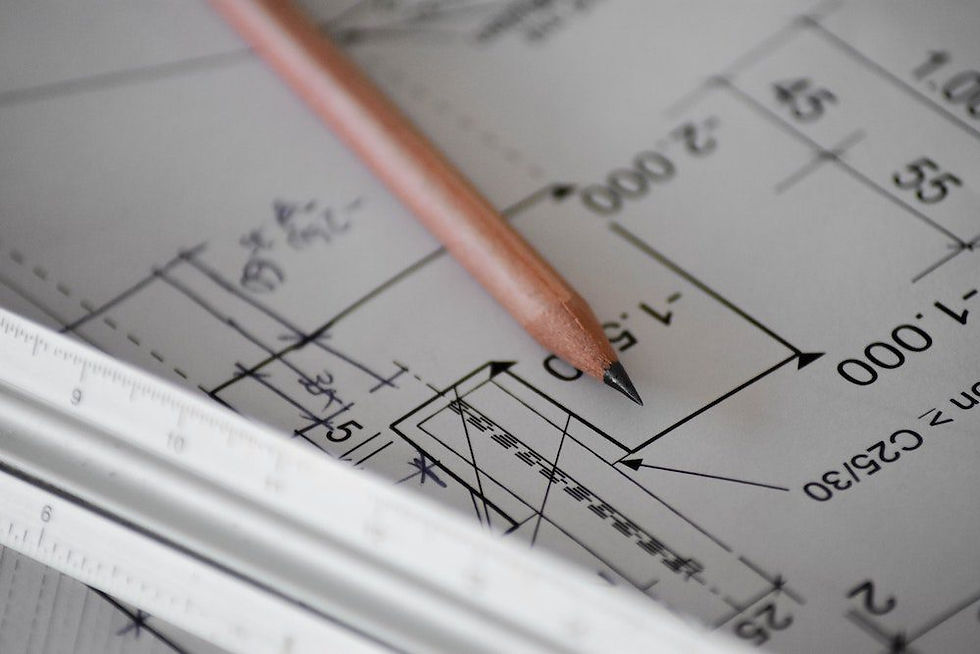
Once you have secured the land, the next step is to design your home. Collaborate with an architect or designer who can transform your ideas and needs into blueprints.
Balance aesthetics with functionality. A well-designed home should look appealing while maximizing space usage. For example, incorporating an open floor plan can create a spacious feeling, which studies show can increase perceived living space by up to 30%.
Energy efficiency is also important. Designing for natural light and ventilation can considerably reduce long-term energy costs, aligning with the goals of many modern homeowners.
Step 4: Obtain Necessary Permits
With your design in hand, it’s time to tackle permits and approvals. The permits required will vary depending on your location and the project's scope, but you will typically need construction, zoning, and possibly environmental permits.
Engage with local authorities to ensure full compliance with all regulations. This proactive approach can eliminate potential legal issues later, paving the way for a smoother construction process.
Step 5: Hire a Contractor
Choosing the right contractor is essential to your home's successful construction. Conduct thorough research, check references, and review potential candidates’ past projects.
Ensure your contractor is licensed and insured. Establish clear communication from the beginning by outlining expectations for timelines, budgets, and workflow. For example, 70% of homeowners reported that clear communication significantly enhanced their satisfaction with the final results.
Your contractor will serve as the vital link throughout the project, working to bring your vision to life.
Step 6: Foundation Work
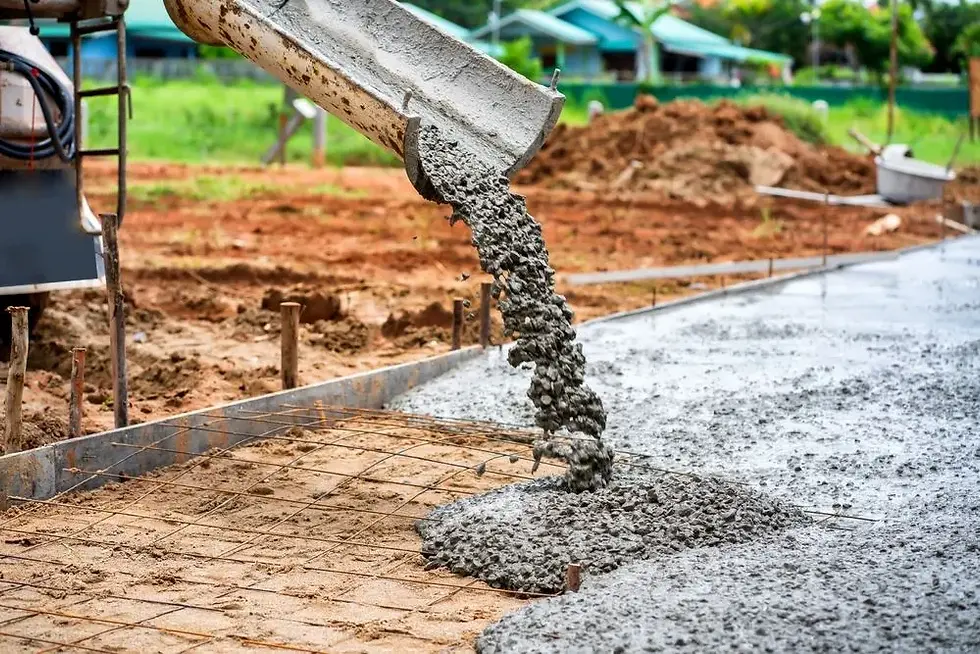
After obtaining permits and selecting a contractor, it’s time for the foundational work to begin. The foundation is critical, providing stability and support for your entire home.
Depending on soil type and weather conditions, you might need a slab, crawl space, or basement foundation. An estimated 15% of construction problems arise from poorly executed foundations, underlining its importance.
Excavation, pouring concrete, and installing proper drainage systems will take place during this stage. A solid foundation sets the tone for everything that follows.
Step 7: Framing

With the foundation in place, the framing process can start. This involves constructing the skeleton of the house, which includes walls, floors, and roofs.
Framing is essential as it determines both layout and the structure's durability. At this stage, you can begin visualizing your new home as the room shapes and flows become more pronounced. Ensuring proper framing will help everything align with your design plans.
Step 8: Installation of Systems
After framing, install crucial systems like plumbing, electrical, and HVAC (Heating, Ventilation, and Air Conditioning).
This stage ensures your home will be comfortable and functional. These installations must comply with local safety codes, so hiring certified professionals is crucial. For instance, poorly installed electrical wiring can lead to safety hazards, with nearly 51,000 home fires annually attributed to wiring issues.
Having experienced tradespeople handle installations prevents future complications and promotes efficiency in your new home.
Step 9: Insulation and Drywall

Proper insulation is key to energy efficiency and comfort. Install insulation in walls and ceilings to maintain temperature.
Next, drywall will be installed, offering a solid structure while providing a surface for painting and decoration. Proper insulation can lead to energy savings of up to 20% by reducing heating and cooling needs.
Although this phase may seem less exciting, it has a significant impact on your home’s overall energy costs and aesthetics.
Step 10: Interior Finishes
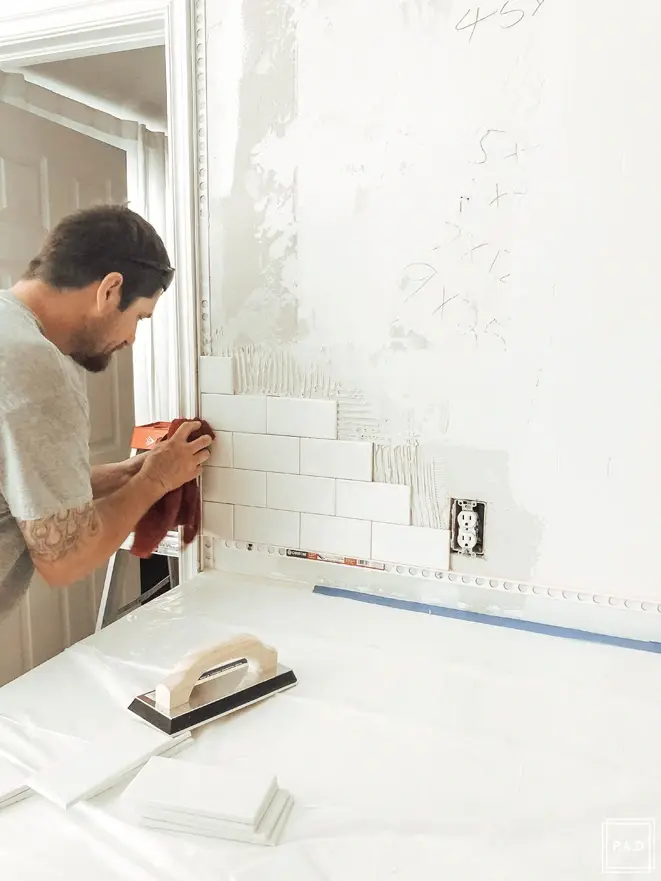
With walls completed, it's time for interior finishes. This stage includes installing cabinetry, countertops, flooring, and painting.
Carefully choosing these materials affects not only the appeal but also the functionality and resale value. Consider timeless trends and durable options, especially for high-traffic areas. For example, using hardwood flooring can increase your home’s resale value by up to 2.5%.
Step 11: Exterior Finishes

Exterior finishes like siding, roofing, and landscaping also play a critical role in your home's final appearance and functionality.
Choose materials that not only enhance curb appeal but are also durable and easy to maintain. Well-planned landscaping can increase your property's value by as much as 15%, while providing environmental benefits.
Consider planting trees and flowers, and implementing sod to transform how your home looks and feels.
Step 12: Final Inspections

As construction nears completion, final inspections become necessary. These inspections ensure everything meets safety regulations and building codes.
Local inspectors will scrutinize components like plumbing, electrical systems, and HVAC setups. Completing this step ensures your new home is safe and functional before you move in.
Step 13: Move-In!
After passing all final inspections and receiving your occupancy certificate, it’s time to move in and start unpacking. The joy of stepping into your new home is unparalleled.
This is your opportunity to personalize the space with decorations and furniture reflecting your unique style.
Enjoy the culmination of your hard work and vision, and embrace living in your dream home.
Wrapping It Up
Building a house is rewarding yet complex. By following these steps, you can navigate the process with more confidence.
From defining goals and budgeting to final inspections and moving in, each step is vital in making your dream a reality. With careful planning and skilled professionals by your side, constructing your dream home can be an adventure filled with joy, lessons, and ultimate satisfaction.

Remember, building a home is not just about bricks and mortar. It's about creating a space where cherished memories and experiences will unfold. Happy building!



Comments